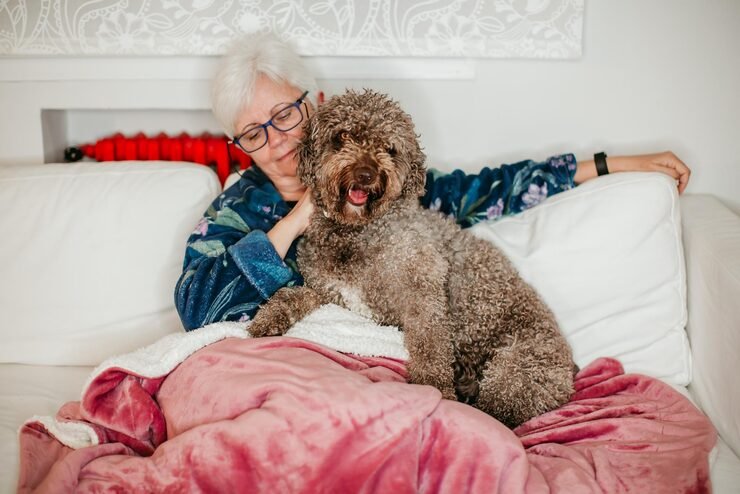
As pets age, their needs change. Senior pets require extra attention to maintain comfort, health, and a high quality of life. With proper care, many pets can live long, happy, and active lives well into their golden years.
1. Recognizing a Senior Pet
- Dogs: Usually considered senior around 7–10 years (breed-dependent).
- Cats: Typically considered senior around 10 years.
- Signs of aging: slower movement, stiffness, gray fur, dental issues, changes in appetite or behavior.
2. Nutrition for Senior Pets
- Balanced Diet: Foods lower in calories but rich in protein to maintain lean muscle.
- Joint Support: Diets with glucosamine and chondroitin help with arthritis.
- Digestive Health: High-fiber foods and probiotics improve gut health.
- Hydration: Encourage water intake; older pets are more prone to dehydration.
Tip for Bangladesh: Use locally available fresh proteins, grains, and vegetables; avoid heavily processed foods.
3. Exercise and Mobility
- Gentle Walks: Maintain muscle tone without overstraining joints.
- Low-Impact Play: Swimming or soft indoor games reduce stress on bones and joints.
- Stretching & Massage: Supports circulation and flexibility.
- Accessible Spaces: Use ramps, soft beds, and avoid slippery floors.
4. Regular Vet Checkups
- Frequency: At least twice a year for senior pets.
- Screening: Blood work, dental exams, weight monitoring, and mobility assessment.
- Vaccinations & Parasite Control: Keep up with age-appropriate vaccines and parasite prevention.
5. Comfort & Environmental Adjustments
- Soft, Orthopedic Bedding: Relieves pressure on joints.
- Warm, Draft-Free Areas: Helps with arthritis or stiff muscles.
- Easy Access: Food, water, and litter boxes should be easy to reach.
- Quiet Spaces: Older pets may prefer calm, low-traffic areas for rest.
6. Mental & Emotional Wellbeing
- Maintain routine to reduce stress.
- Gentle play and interaction keep pets mentally stimulated.
- Provide companionship and attention, as older pets may become lonely or anxious.
7. Managing Chronic Conditions
- Arthritis, dental disease, kidney issues, and vision/hearing loss are common.
- Medications, supplements, and lifestyle changes should be monitored closely with a veterinarian.
8. Monitoring Behavior and Changes
- Track appetite, water intake, weight, mobility, and sleep.
- Notice subtle signs of discomfort: limping, reluctance to climb stairs, or changes in temperament.
- Early detection of problems improves quality of life and longevity.
Conclusion
Caring for senior pets requires patience, observation, and proactive measures. By adjusting diet, exercise, environment, and providing regular veterinary care, you can ensure your older pets remain comfortable, happy, and enjoy a longer, healthier life.