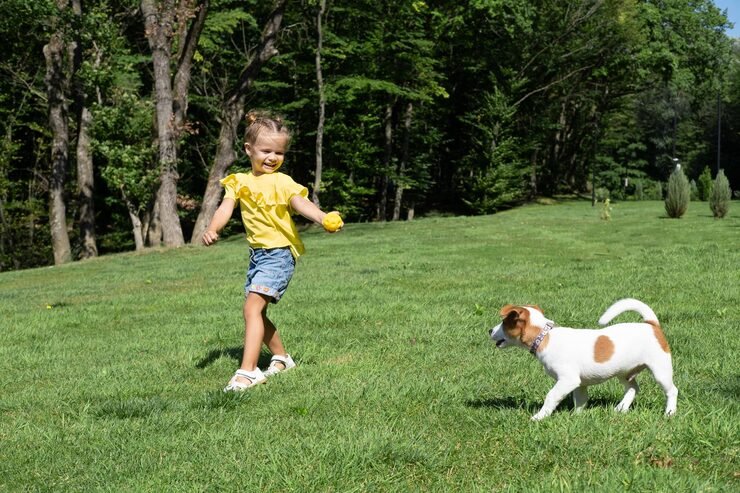
Just like humans, pets need regular physical activity to stay healthy, happy, and mentally stimulated. Exercise not only maintains weight but also improves cardiovascular health, joint flexibility, and overall well-being.
1. Why Pet Fitness Matters
- Maintains healthy weight and prevents obesity-related diseases.
- Improves muscle tone, joint health, and cardiovascular fitness.
- Reduces behavioral problems caused by boredom or excess energy.
- Promotes mental stimulation, reducing stress and anxiety.
2. Exercise Tips for Dogs
- Daily Walks: Tailor the length and intensity to breed, age, and health.
- Fetch & Tug Games: Boosts energy, reflexes, and coordination.
- Agility Training: Set up small obstacle courses for physical and mental stimulation.
- Swimming: Excellent for low-impact exercise, especially for joint issues.
- Interactive Toys: Puzzle toys or treat-dispensing balls encourage movement.
Tip for Bangladesh: Walk dogs early morning or late evening to avoid heat. Use reflective collars during dusk/night walks.
3. Exercise Tips for Cats
- Interactive Play: Wand toys, laser pointers, or small balls simulate hunting.
- Climbing & Scratching Structures: Cat trees, shelves, and scratching posts encourage climbing and stretching.
- Fetch & Chase: Some cats enjoy tossing small toys and chasing them.
- Puzzle Feeders: Combines mental stimulation with physical activity.
Tip for Bangladesh: Provide indoor climbing spaces and toys during hot/rainy seasons when outdoor access is limited.
4. Fitness for Small Pets (Rabbits, Guinea Pigs, etc.)
- Exercise Pens: Safe, enclosed spaces for hopping and running.
- Tunnels & Hideouts: Encourage movement and exploration.
- Chew & Dig Toys: Stimulate natural behaviors and keep them active.
- Supervised Outdoor Play: Only in secure areas.
5. Monitoring Pet Fitness
- Track weight and body condition regularly.
- Use smart collars or activity trackers to monitor daily steps and energy.
- Consult your vet for breed-specific exercise needs and limitations.
6. Indoor Fitness Options
- Set up obstacle courses, stairs, or toys for rainy or hot days.
- Use interactive games to keep pets engaged mentally and physically.
- Short, frequent sessions work better than long, exhausting workouts.
7. Safety Tips
- Avoid extreme exercise in hot or humid weather.
- Keep water accessible at all times.
- Start slowly with puppies, kittens, or senior pets to avoid injury.
- Watch for signs of overexertion: panting, limping, lethargy.
Conclusion
Regular exercise is essential for a pet’s physical and mental health. Whether it’s a walk, interactive play, or agility training, incorporating daily activity keeps pets fit, reduces behavioral issues, and strengthens the bond between pets and owners.