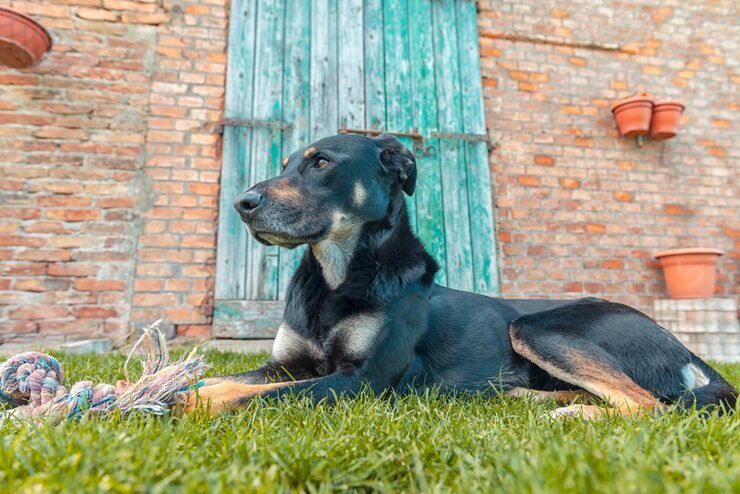
Owning a large breed dog is a rewarding experience, but it comes with unique responsibilities. From diet to exercise, understanding the specific needs of big dogs ensures they live long, healthy, and happy lives.
1. Proper Nutrition
- High-quality, large-breed-specific food: Big dogs have different nutritional requirements to support joint health and prevent rapid growth that can strain bones.
- Portion control: Overfeeding can lead to obesity, putting extra pressure on joints.
- Supplements: Omega-3 fatty acids, glucosamine, and chondroitin support joint and coat health.
2. Exercise Needs
- Daily activity: Large breeds need regular exercise to maintain healthy weight and muscle tone.
- Low-impact exercises: Swimming or gentle walks are easier on joints than long runs.
- Avoid over-exercising puppies: Their growing bones and joints are fragile.
3. Joint & Bone Health
- Large breeds are prone to hip dysplasia, arthritis, and other joint issues.
- Maintain a healthy weight and provide supportive bedding.
- Consult your vet about preventive measures or supplements.
4. Grooming & Coat Care
- Brushing: Regular grooming reduces shedding and keeps the coat healthy.
- Bathing: Only as needed; frequent baths can dry skin.
- Nail trimming: Large dogs’ nails grow quickly and can affect posture if too long.
5. Training & Socialization
- Early training: Large dogs are strong; obedience training is crucial for safety.
- Socialization: Expose your dog to other dogs, people, and environments from a young age.
- Positive reinforcement: Reward-based training works best for gentle, confident behavior.
6. Health Check-Ups
- Large breeds may have shorter lifespans than smaller dogs and are prone to breed-specific conditions.
- Regular veterinary check-ups help catch problems early.
- Vaccinations, dental care, and parasite control are essential.
7. Space & Environment
- Large dogs need adequate space to move comfortably.
- Ensure your home and yard can accommodate their size and activity level.
- Provide a sturdy bed and ramps if your dog struggles with stairs.
8. Mental Stimulation
- Big dogs can get bored easily; provide puzzle toys, training sessions, and interactive play.
- Mental engagement reduces destructive behaviors and anxiety.