Pets can experience anxiety for various reasons—separation, loud noises, new environments, or even changes in routine. The good news is that with the right toys and structured daily habits, you can help your furry friend feel safe, secure, and relaxed.
1. Identify the Triggers
- Observe your pet to understand what causes stress:
- Loud noises (fireworks, thunderstorms)
- Separation or being alone for long periods
- New people, pets, or environments
- Recognizing triggers helps you plan effective calming strategies.
2. Create a Safe Space
- Designate a quiet corner or cozy crate with their bed and favorite toys.
- Include familiar scents (blankets or clothing with your smell) to provide comfort.
- Use calming pheromone sprays or diffusers if needed.
3. Use Anxiety-Relief Toys
- Puzzle toys: Keep your pet mentally engaged, distracting from stress.
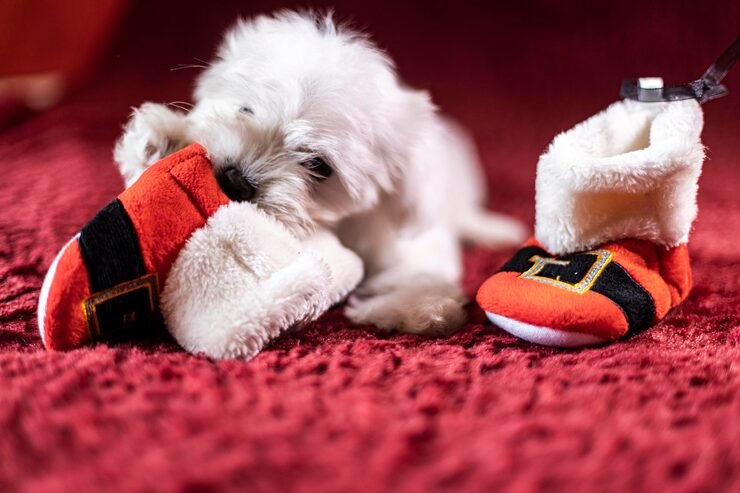
- Chew toys: Reduce tension and provide a healthy outlet for nervous energy.
- Interactive toys: Automated balls or treat-dispensing gadgets can stimulate play.
- Weighted toys or blankets: Provide a sense of security, especially for smaller pets.
4. Establish a Consistent Routine
- Regular feeding times, walks, and play sessions reduce uncertainty and stress.
- Predictable schedules help pets anticipate activities, creating a sense of stability.
- Gradually introduce changes to avoid sudden anxiety spikes.
5. Positive Reinforcement & Training
- Reward calm behavior with treats, praise, or gentle petting.
- Avoid punishing anxious reactions; it can worsen stress.
- Short training sessions provide mental stimulation and strengthen the bond.
6. Exercise & Outdoor Time
- Daily physical activity reduces pent-up energy that can fuel anxiety.
- Walks, fetch, or swimming sessions help your pet relax naturally.
- Outdoor time also exposes pets to gentle environmental stimuli, desensitizing them over time.
7. Soothing Sounds & Environment
- Play soft music or calming sounds during stressful events.
- Maintain a consistent environment; sudden changes can increase anxiety.
- Avoid overstimulation with too many visitors, toys, or loud noises.
8. Monitor Progress
- Keep a journal of triggers, behaviors, and what helps calm your pet.
- Adjust toys, routines, and interactions based on what works best.
- Consult a vet or professional trainer for persistent or severe anxiety.
Conclusion
Calming a pet’s anxiety takes patience, consistency, and the right combination of toys and routines. By providing mental stimulation, comfort items, and a predictable daily structure, you can help your furry friend feel secure, happy, and confident.